Two residences have the same floor area. Their prices are similar. Both offer a generous living room, four en-suite bedrooms and an impeccable presentation.
In one, the day's first appointment requires crossing the city. In the other, the routes to school, work and the family's everyday rituals seem to fall into place.
The difference between the choices becomes clear on a Tuesday. It is on that ordinary day, away from a special occasion, that I like to assess a luxury home.
Luxury has a dimension a floor plan cannot measure
In my reading of the luxury property market, available time, privacy and autonomy deserve as much attention as materials. Each person experiences these qualities differently, so they need to become concrete criteria.
Consider an illustration: saving forty minutes of travel each day, over 220 days, would return approximately 147 hours a year. This calculation illustrates a lifestyle choice. The outcome at a particular address depends on the resident's journeys and schedule.
For one person, that time could mean joining the children for breakfast. For another, taking a meeting without allowing extra time for unpredictable traffic. Identifying what you want to preserve makes a viewing more meaningful.
Privacy must be tangible in daily life
Look at the distance between social spaces and bedrooms, service circulation, window positions and the relationship with neighbouring buildings. Ask about the acoustic solutions specified and check the detailed specifications. During the viewing, observe activity on the street and in communal areas.
Ask how deliveries, visitor access and shared spaces work. A building may offer many social amenities while still requiring a family to decide how much exposure feels comfortable.
Understand the project as a whole. A striking view deserves consideration alongside afternoon sun, glazing maintenance and whether the terrace is usable at the times you will be home.
Signature design starts a conversation about lasting value
An architect's or designer's name helps explain a development's language. To assess the choice, connect that intention with practical life: proportions, circulation, flexibility, materials and maintenance costs.
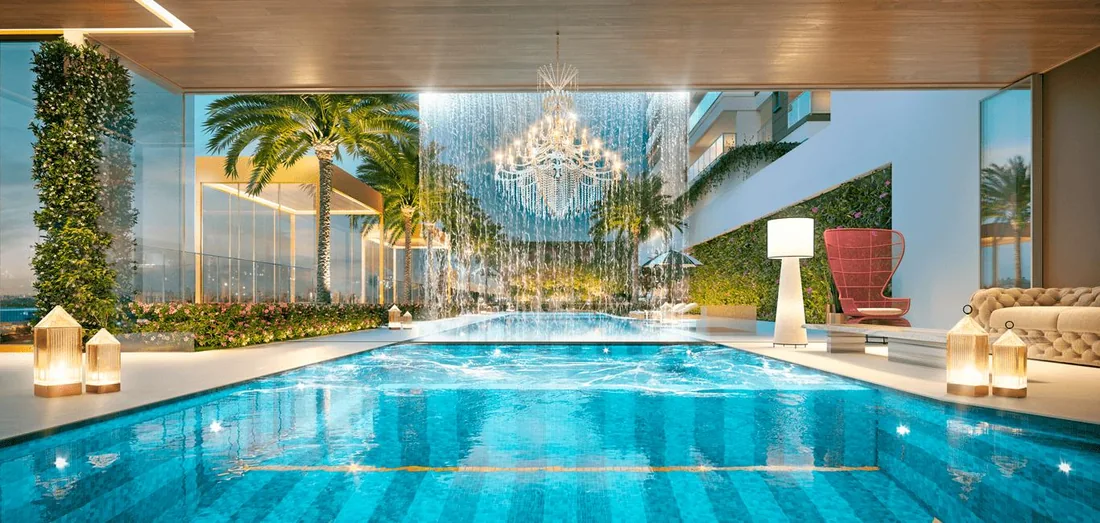
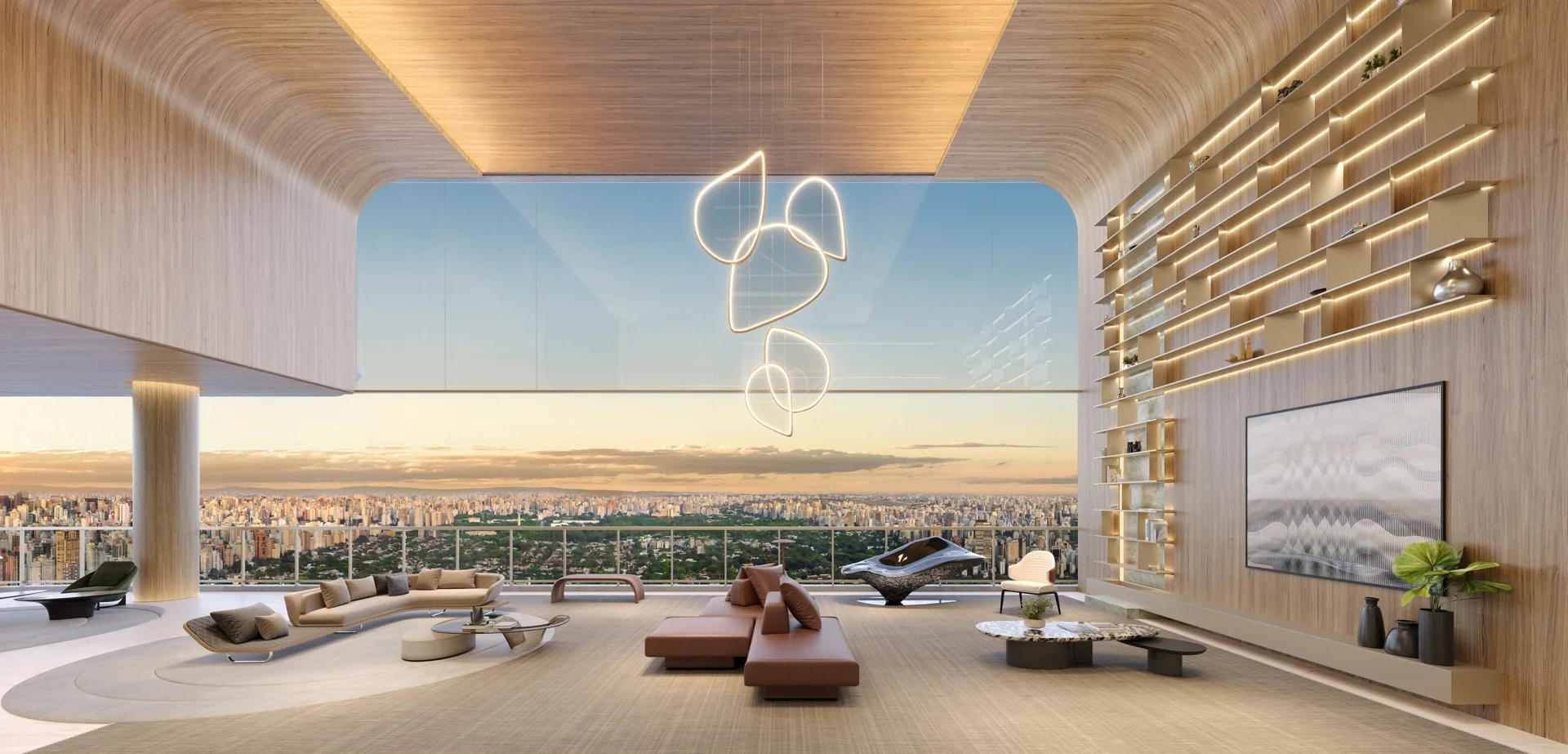
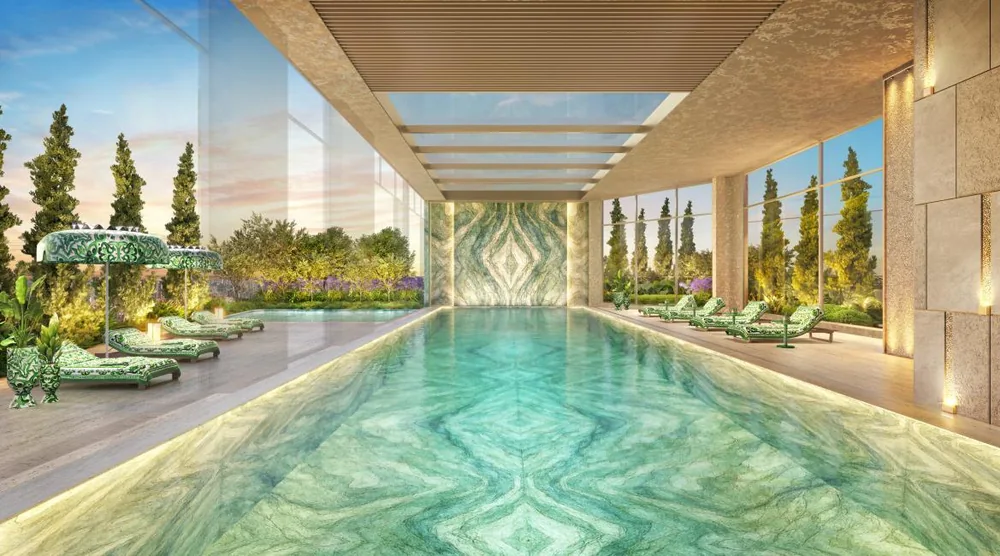
At Epic Jardim Europa, the official presentation highlights Pininfarina design and the tower's relationship with the skyline. At Capri, the proposition is associated with the Dolce&Gabbana Casa lifestyle. These are different worlds for anyone exploring how a design identity translates into space.
A signature alone does not determine future resale value. A wealth-focused assessment includes the entry price, the selected unit, maintenance expenses, available alternatives and future buyers' willingness to purchase. Architectural expression is part of that conversation.
Families change. Can the residence evolve with them?
A bedroom may become an office. Entertaining space may become more important. Children grow; relatives stay for a season; work takes on different hours. A useful floor-plan conversation starts with life today and makes room for plausible future scenarios.
Check which adaptations are anticipated and which require technical review and authorisation. Observe room positions, circulation and the relationship between private and social areas. Total floor area helps compare products, but the layout reveals how that space can be lived in.
For a family expanding its wealth, the residence must also sit comfortably alongside other commitments. Add condominium fees, taxes, maintenance, staff and any financing to the purchase budget. Comfort should remain comfortable after the move.
Investors need to imagine the next resident
Anyone buying for income or resale should test whether an identifiable audience shares their personal preferences. A highly individual finish may delight the owner while narrowing the next occupant's choices. A spectacular communal area may also carry a material cost in a rental decision.
Compare properties with similar propositions and stages of development. For a new launch, consider the payment schedule, contractual terms and time until use. For a completed property, assess its condition, condominium operations and any work required. The word luxury covers very different experiences and cost structures.
This discipline creates room to appreciate the extraordinary with a more informed decision. It also helps identify when a beautiful unit is far from what you need.
A viewing that begins with your calendar
Before selecting addresses, I suggest a conversation about an ordinary day: where you need to be, who shares your home, how you entertain and what you want nearby. We then take those answers into every viewing.
Curation gains criteria that can be compared. What seemed an impression becomes a personal choice you can explain clearly.
In five addresses, five ways of living, I explore different Cyrela propositions. The starting point is simple: finding architecture that supports the life you want to build.